
Moving a piano isn’t just about shifting weight – it’s about protecting sound. Once the van doors close and your instrument arrives at its new home, the next question is always the same:
“When can I tune it?”
Let’s walk through what actually happens to a piano during a move, why tuning too soon can do more harm than good, and how to make sure it sounds exactly as it should.
Table of Contents
Why Pianos Go Out of Tune After Moving
Even the most careful piano move – padding, straps, tail lift, the works – will unsettle the instrument slightly. That’s not because it was handled badly; it’s just physics.
Pianos are built from wood, felt and metal, all of which react to temperature and humidity. When you move from one space to another – say, from a warm sitting room to a cool van and back again – those materials expand and contract.
Strings shift tension, and the soundboard flexes. The result?
A piano that’s ever so slightly out of tune, even if you never heard it leave pitch.
How Long to Wait Before Tuning
Here’s the golden rule:
Wait at least two weeks before tuning a piano after a move.
That time lets the instrument settle into its new environment – same air, same temperature, same humidity. Tuning too soon can mean paying twice: once now, and again when it drifts back out.
Think of it as letting your piano catch its breath before you expect a perfect note.
If you’ve just moved it between rooms (not houses), a week is usually enough.
Signs Your Piano Needs Tuning After a Move
You don’t need perfect pitch to know something’s off. Look out for:
Chords that sound slightly sour
Octaves that no longer ring true
Middle keys that feel fine, but bass notes sound dull or flat
Even if it “sounds okay”, your tuner’s ear will catch things yours won’t – especially in the higher register where changes show first.
Why It’s Best to Hire a Professional Piano Tuner
Tuning isn’t just tightening strings. It’s balancing over 200 strings under 18 tonnes of tension – and a wrong move can snap one or warp the frame.
A professional tuner not only corrects pitch but checks for:
String tension balance
Soundboard stability
Pinblock tightness (crucial after humidity changes)
If your piano was recently transported, a trained ear can also tell whether it needs voicing or minor regulation, not just tuning.
In short, you’re paying for peace of mind – and for a piano that sounds like itself again.
How to Tune a Piano Yourself (If You’re Feeling Brave)
Let’s be honest: most people don’t tune their own piano – and for good reason.
But if you’re curious (or just like knowing what’s involved before you call in a pro), here’s what it actually takes.
What You’ll Need
You won’t find this kit in your average toolbox. To tune properly, you’ll need:
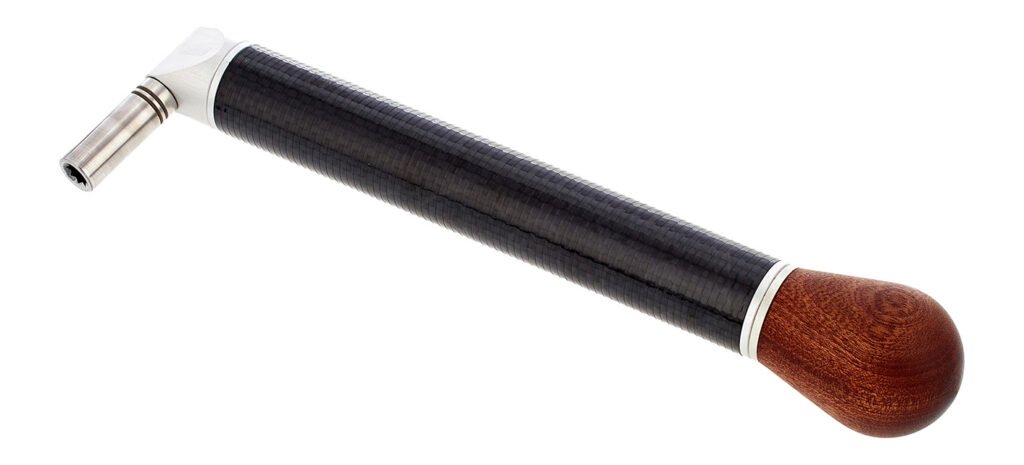
Tuning lever (hammer) – A special tool that fits tightly on the piano’s tuning pins.
Electronic tuning app or device – Helps measure pitch accurately (a smartphone app can work, but pros use high-precision strobe tuners).
Mutes – Little wedges (rubber or felt) used to silence certain strings while you tune others.
Patience – Not for sale, but essential.
(Optional but wise) A steady hand and a cautious heart – Every pin holds a lot of tension; a wrong twist can snap a string or shift others out of tune.
How to Tune a Piano Step by Step
1. Pick a Starting Note
Most tuners start with A4 (440Hz) – the reference pitch. It’s the note orchestras use to tune up.
- Set your tuner or app to A440 and begin there.
2. Mute Neighbouring Strings
Most keys (except in the bass) strike two or three strings at once.
You’ll tune one string while muting the others, so your reference stays clean.
3. Adjust the Tuning Pin (Gently!)
- Place the tuning lever on the pin for your chosen string.
- Move it in tiny, controlled increments – we’re talking millimetres here, not turns.
- Turning clockwise raises the pitch, anticlockwise lowers it.
- Check your tuner and stop the moment it matches the target frequency.
4. Tune Unison Strings
- Once one string is in tune, unmute the next and match it by ear or tuner.
Do this for each string of the same note until they sound perfectly unified.
5. Work Across the Keyboard
- Move gradually through the octaves, repeating the same process.
Keep checking against the reference pitch (A440) to stay consistent.
6. Check and Re-Check
- When you’re done, play octaves and chords to see if everything blends.
- If notes beat or wobble, adjust gently – but don’t chase perfection endlessly.
That’s where experience earns its keep.
A Few Honest Warnings
A full piano tuning can take 1½–3 hours, even for professionals.
Over-tightening a string can snap it instantly (and replacing strings isn’t cheap).
Inexperienced tuning can make the piano sound worse – not better – and may even affect structural tension over time.
If that all sounds a bit much, you’re not wrong.
That’s why even confident DIYers often call a professional to finish the job.
Still, knowing what’s involved helps you appreciate the craft – and the care – behind every good tuning.
Bonus Tip: Book Tuning When You Book the Move
Many piano moving specialists (including us at VVM Piano Movers) offer post-move tuning as an optional add-on.
It’s one less thing to organise later, and it means your piano’s handled from start to finish by people who understand what it’s just been through.
Quick Recap
| Step | What to Do |
|---|---|
| Before the move | Choose professional piano movers with proper gear and insurance. |
| After delivery | Place the piano where it’ll stay long-term (away from radiators, windows or vents). |
| Let it settle | Wait 1–2 weeks for the instrument to acclimatise. |
| Book tuning | Hire a professional tuner to bring it back to concert pitch. |
Handled with Care, Tuned with Precision
Whether your piano’s an heirloom upright or a concert grand, moving changes its surroundings – and that changes its sound.
At VVM Piano Movers, we not only transport instruments safely across London and beyond, we also offer post-move tuning to restore their tone and balance.
Because when it comes to pianos, it’s not just about moving them – it’s about keeping them sounding right.